
Gen Z Marketing: Why 'Authentic' Content Isn't Enough Anymore

For the last decade, marketers have been told that authenticity is the key to connecting with Gen Z.
We've moved away from polished advertising in favour of behind-the-scenes content, creator partnerships and user-generated content, all in the pursuit of appearing more relatable. But according to new research from Twitch, that definition of authenticity is beginning to lose its impact.
Drawing on insights from more than 10,000 people, Twitch found that 78% of Gen Z respondents believe social media feels fake, while 68% say they're overwhelmed by AI-generated content. For marketers, that's a significant finding. It suggests the challenge isn't creating content that looks authentic anymore, it's creating content that feels genuinely human.
So, what does that mean for brands?
Authenticity has become another marketing formula
Authenticity was once the antidote to traditional advertising.
Brands stopped chasing polished perfection and started embracing lo-fi video, creator content and casual storytelling. It worked because it felt different.
The problem is that these formats have now become the norm.
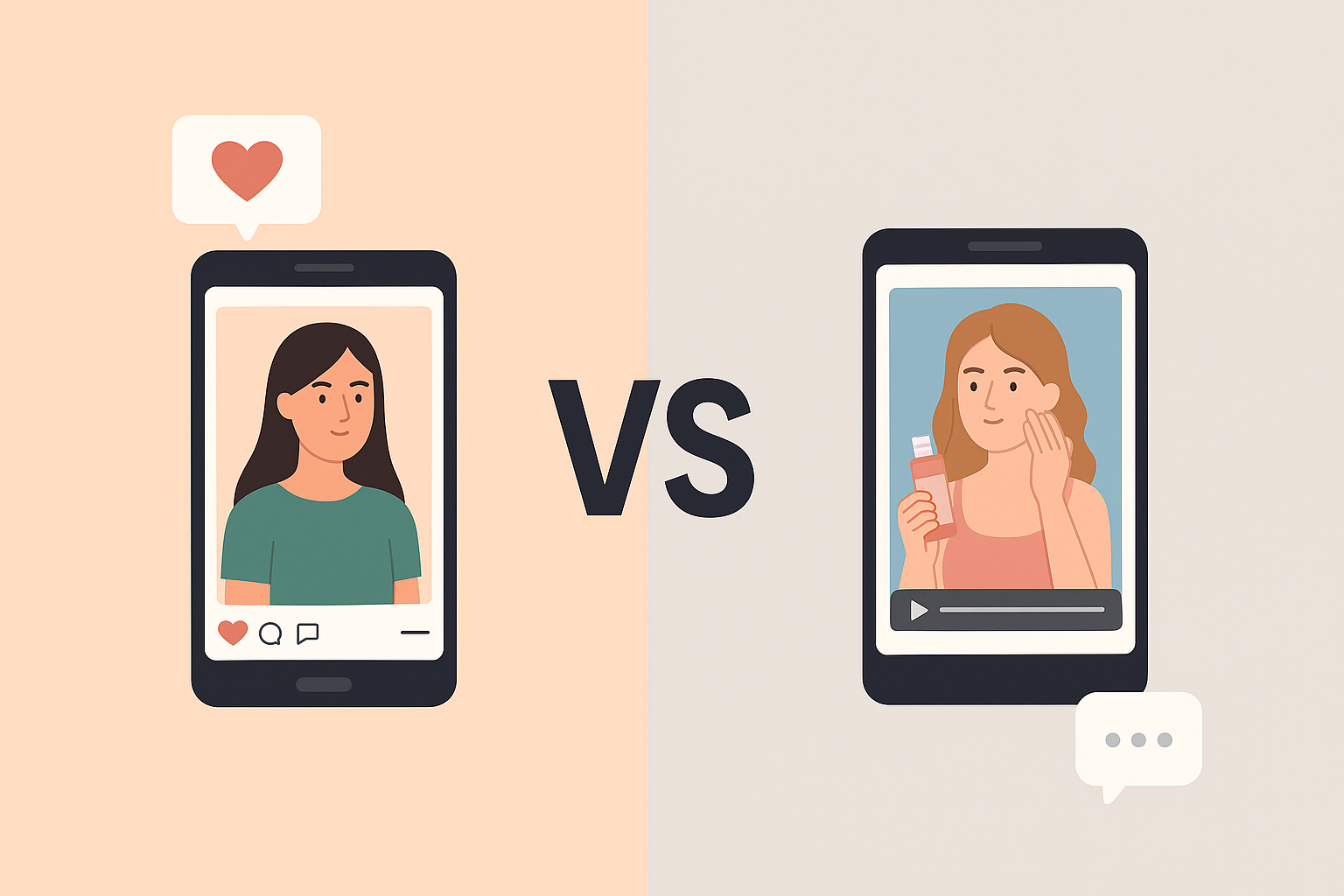
Scroll through TikTok or Instagram and you'll find countless "day in the life" videos, founders speaking directly to camera, intentionally unpolished product demos and user-generated style adverts. While they're designed to feel authentic, many now follow the same creative formula.
Gen Z has become incredibly good at recognising when content has been carefully engineered to feel spontaneous.
The result is what Twitch describes as the authenticity paradox. The harder brands try to manufacture authenticity, the easier it becomes for audiences to spot it.
Gen Z wants content that feels alive
One of the most interesting concepts to emerge from Twitch's research is the idea of "alive content."
Rather than perfectly planned campaigns, Gen Z is increasingly drawn to experiences that unfold in real time. Content that feels reactive, unpredictable and shaped by the people taking part in it.
Live streaming is perhaps the clearest example.
Audiences aren't simply watching. They're commenting, voting, influencing decisions and becoming part of what happens next. Every stream is different because every audience is different.
That unpredictability creates something brands often struggle to manufacture: genuine moments.
For marketers, this represents a shift away from controlling every detail towards creating opportunities for audiences to actively shape the experience.
Community matters more than content
Another key finding from Twitch's research is the importance of understanding communities before trying to market to them.
Every online community has its own language, humour, references and unwritten rules. Whether it's gaming, beauty, fitness or food, people quickly recognise when a brand has taken the time to understand the culture and when it's simply trying to capitalise on it.
That means successful Gen Z marketing isn't just about producing more content. It's about investing time in listening.
The brands building the strongest communities are the ones that participate with credibility rather than simply showing up when a trend appears.
Participation is becoming the new engagement
For years, social media success has been measured by reach, impressions and engagement.
Twitch's research suggests the next evolution is participation.
Gen Z increasingly wants to influence the content they consume rather than simply watch it. They want to vote, comment, challenge creators, shape conversations and feel like they're contributing to the experience.
For brands, that means thinking beyond broadcasting messages.
Live experiences, interactive creator collaborations, community challenges and audience-led content all give consumers a genuine role to play. Rather than asking people to watch, brands should be asking how they can invite people to join in.
AI should enhance creativity, not replace it
The research also highlights an important tension for marketers.
AI is making content creation faster and more accessible than ever before, but consumers are becoming increasingly aware of it. As more content is generated with the help of AI, personality, humour and human interaction become even more valuable.
This isn't an argument against using AI. Used well, it can improve efficiency, support ideation and enhance creative production.
The opportunity is ensuring technology enhances storytelling rather than replacing the human moments that make stories memorable.
People don't build relationships with perfectly optimised content. They build relationships with personalities, communities and experiences that feel real.
What this means for brands
The biggest takeaway from Twitch's research isn't that authenticity no longer matters.
It's that audiences have become more sophisticated.
Gen Z doesn't simply want content that looks authentic. They want content that feels spontaneous, invites participation and reflects the communities they're already part of.
For marketers, that means shifting the focus from creating the appearance of authenticity towards creating genuinely shared experiences. Whether that's through live content, creator partnerships, interactive campaigns or stronger community management, the brands that succeed will be those willing to give audiences a role rather than simply a message.
In an increasingly AI-driven social landscape, that's likely to become the biggest competitive advantage of all. The brands that win Gen Z's attention won't just create content people watch. They'll create experiences people want to be part of.
Explore Our Latest Insights
Stay updated with our latest articles and resources.









Ready to elevate your marketing strategy?
Let’s add some spice to your next campaign 🌶️