
Everyone's an Influencer in 2027: Why Hyperlocal Creators Could Be Marketing's Next Big Thing

Forget the million-follower influencer for a second. What about the running club organiser with 2,000 followers who knows everyone in their neighbourhood? Or the local foodie whose recommendations genuinely influence where people book dinner?
They might not have the biggest audiences, but they have something brands are increasingly interested in: influence that translates into real-world action.
In our 2027 Social Media Trends Playbook, we made three big predictions about where social media is heading next year. And one of the most interesting is that everyone is becoming an influencer.
Not because everyone is suddenly going to become a full-time content creator, but because influence is becoming increasingly connected to communities, shared interests and everyday relationships.
As brands look for more meaningful ways to connect with consumers, hyperlocal creators and smaller, highly engaged communities could become an increasingly important part of the marketing mix.
And for brands still measuring influencer success primarily through follower counts, it might be time to rethink what influence actually looks like.
The Biggest Influencer Isn't Always the Most Influential
For years, influencer marketing has been closely associated with scale.
The bigger the following, the bigger the potential reach. And for brands looking to generate awareness quickly, partnering with established creators can still be incredibly effective.
But audience size only tells part of the story.
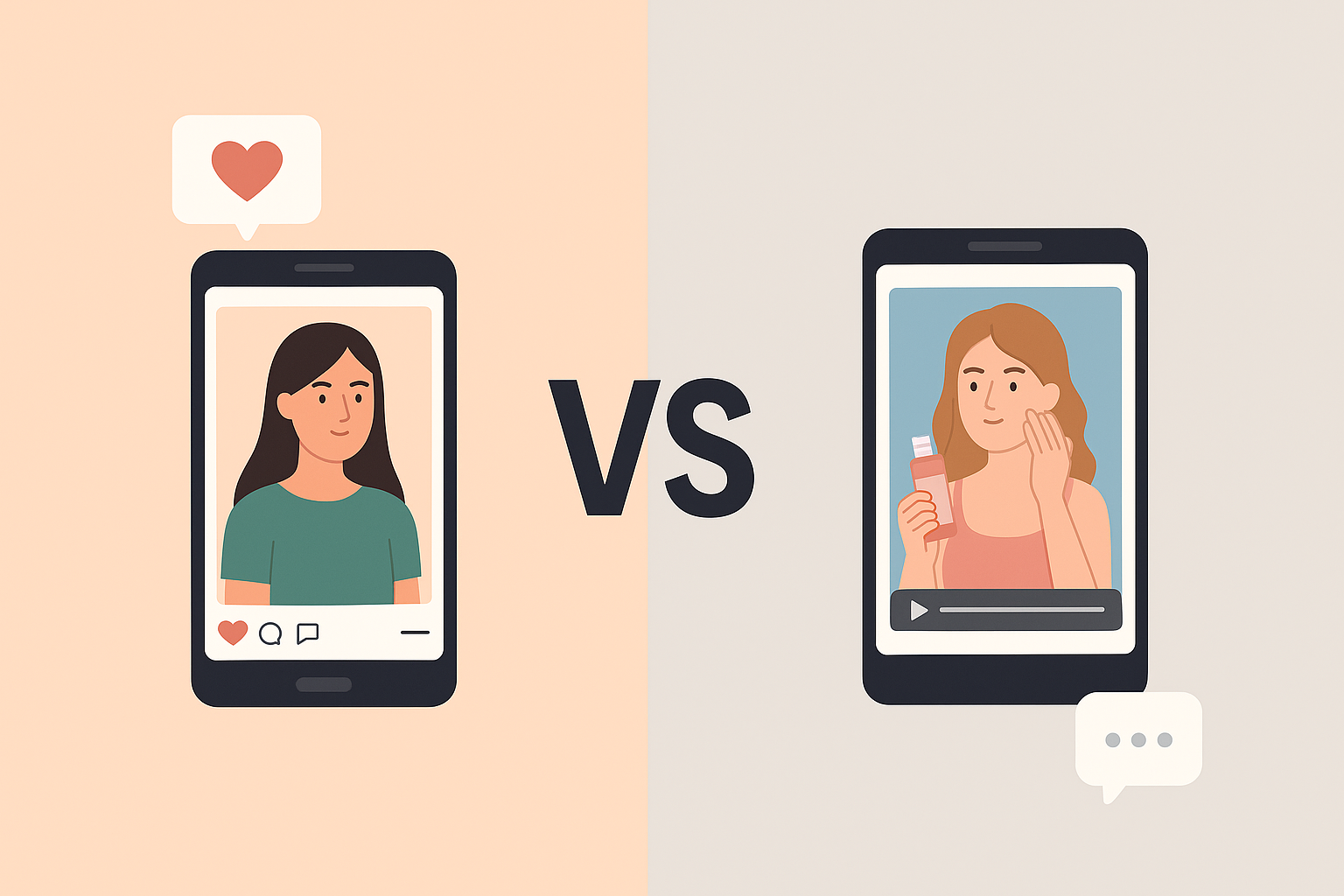
Someone with hundreds of thousands of followers might be able to introduce a product to a huge number of people, but that doesn't automatically mean those followers will take action.
Meanwhile, someone with a much smaller audience could have significant influence within a particular community.
Think about the person everyone asks for restaurant recommendations, the fitness instructor who brings a local running community together or the parent who shares genuinely useful advice with families in their area.
These people might not think of themselves as influencers, but their opinions can carry real weight.
Their audiences often share common interests, live in similar locations or have existing relationships with them.
And that creates an interesting opportunity for brands.
Rather than focusing exclusively on how many people a creator can reach, marketers can start considering how relevant that creator is to the people they're trying to influence.
Because sometimes, reaching the right 2,000 people can be more valuable than reaching 200,000 people who aren't particularly interested.
What Is Hyperlocal Influencer Marketing?
Hyperlocal influencer marketing involves working with creators who have a strong connection to a specific location or local community.
Unlike traditional influencer campaigns, which might focus on reaching audiences across an entire country, hyperlocal activity is designed to connect with people in particular cities, neighbourhoods or communities.
These creators might be food reviewers, fitness enthusiasts, lifestyle creators, community organisers or simply people whose recommendations are trusted within their local networks.
What makes them valuable isn't necessarily their follower count.
It's their relevance.
A creator who regularly shares independent restaurants in Manchester, for example, might be particularly valuable to a hospitality brand opening a new location.
A fitness creator who organises weekly running clubs could be a strong partner for a sportswear brand looking to connect with active communities.
And a parent creator who shares local family activities might help a leisure destination reach people who are genuinely likely to visit.
The content itself might not look dramatically different from traditional creator marketing.
But the strategy behind it is much more focused.
Instead of asking how many people can see a campaign, brands are asking whether the people seeing it are the ones most likely to care.
Why We're Predicting the Rise of Everyday Influence
In Pepper's 2027 Social Media Trends Playbook, one of our three big bets for the year ahead is the rise of hyperlocal influence at scale.
Our prediction is that the definition of an influencer will continue to expand beyond professional content creators and established social media personalities.
Influence already exists within everyday communities.
It's the person who brings people together, recommends products to friends, organises events or shares expertise around a particular interest.
Social media gives those individuals a platform to extend their influence beyond immediate personal relationships.
And as brands become more focused on relevance, trust and meaningful engagement, those smaller networks could become increasingly valuable.
This doesn't mean celebrity influencers or large-scale creator partnerships are disappearing.
They still offer enormous opportunities for brands looking to build awareness, establish cultural relevance or reach audiences at scale.
But we expect to see more brands exploring how smaller creators can complement those partnerships.
Rather than relying on a handful of large accounts, campaigns could involve networks of locally relevant creators, each connecting with their own communities.
It's a different approach to scale.
Instead of one person reaching everyone, brands can work with multiple people who each have a meaningful connection to a specific audience.
The Power of Influence Beyond the Feed
One of the most interesting things about hyperlocal creators is that their influence doesn't necessarily stop when someone closes an app.
For some creators, social media is simply an extension of a community that already exists in the real world.
A running club organiser might share training tips on Instagram, but their influence also comes from bringing people together every weekend.
A local food creator might post restaurant recommendations on TikTok, but those recommendations could influence where people actually choose to spend their money.
And a community organiser might use social media to promote events, but their real value comes from the relationships they've developed with the people attending.
That connection between online content and offline behaviour is particularly interesting for brands.
Creator marketing is often measured through digital performance, including reach, engagement, clicks and conversions.
But hyperlocal partnerships can also create opportunities to influence physical experiences.
That might include driving footfall to stores, encouraging attendance at events, introducing new products to local communities or supporting launches in specific locations.
And when brands combine creator content with real-world experiences, there's an opportunity to build relationships that go beyond a single sponsored post.
Why Niche Communities Could Matter More Than Mass Reach
The rise of hyperlocal influence also reflects a wider shift towards interest-led communities.
People don't necessarily follow creators simply because they're famous or have large audiences.
They follow people who share their interests, understand their experiences or provide information they find valuable.
And those interests can be incredibly specific.
From local running clubs and independent food communities to book groups, gaming communities and niche hobbies, audiences are finding ways to connect around the things they genuinely care about.
For brands, these communities can offer a more focused way to reach relevant audiences.
A sportswear brand doesn't necessarily need to reach everyone interested in fitness.
It might benefit from working with a collection of creators who have strong relationships with particular running, cycling or training communities.
A food brand might work with local cooking creators who understand the tastes and preferences of audiences in different cities.
And a lifestyle brand could partner with creators whose communities share a particular interest or cultural identity.
The opportunity isn't simply to find smaller influencers because they're potentially more affordable.
It's to understand the communities those creators are part of and whether the brand has something relevant to contribute.
Because a smaller audience isn't automatically a more engaged one.
The strength of the relationship still matters.
Could Hyperlocal Creators Change How Brands Plan Campaigns?
If hyperlocal influence becomes a bigger part of creator marketing in 2027, it could change how brands approach campaign planning.
Traditionally, influencer campaigns might begin with a target audience, a budget and a shortlist of creators selected primarily around reach, demographics and engagement.
Hyperlocal campaigns require another layer of thinking.
Brands need to consider geography, community relevance and the role creators play within their audiences.
For example, a national retailer opening stores in several UK cities might work with locally relevant creators in each location.
Rather than using the same creative approach everywhere, those creators could develop content reflecting their own communities, highlighting local experiences and giving audiences reasons to visit.
Similarly, a brand launching a new product could work with a network of creators who are influential within different interest-led communities.
The campaign would still have a consistent overall objective, but the content could feel more relevant to each audience.
This approach also creates opportunities to connect creator marketing with other channels.
Locally relevant creator content could support paid social campaigns targeted around specific locations, while events and community activations could create additional opportunities for people to experience the brand.
The challenge is making sure the strategy remains coherent.
Working with more creators doesn't automatically produce better results.
Brands need clear objectives, thoughtful creator selection and a way to understand which partnerships are delivering meaningful value.
How Do You Measure Hyperlocal Influencer Marketing?
One of the biggest challenges with hyperlocal creator campaigns is that traditional influencer metrics don't always capture their full impact.
A creator with 3,000 followers might generate fewer impressions than someone with 300,000, but that doesn't necessarily mean their partnership is less effective.
If the objective is to encourage people in a particular neighbourhood to visit a new store, geographic relevance could matter considerably more than total reach.
That means brands need to think carefully about how success is measured.
Reach and engagement are still useful, but they should be considered alongside the campaign's specific objectives.
For local retail or hospitality campaigns, that might include event attendance, offer redemptions, booking enquiries, store visits where measurement is possible or sales linked to trackable activity.
For community-focused campaigns, brands might look at participation, relevant conversations, audience sentiment or the quality of interactions generated.
And for campaigns designed to build awareness within a particular location, the geographic relevance of the audience should be an important consideration.
The key is to avoid judging every creator partnership by the same criteria.
A hyperlocal creator and a national celebrity influencer can serve very different purposes.
And the way their performance is evaluated should reflect that.
Five Ways Brands Can Work With Hyperlocal Creators in 2027
For brands interested in exploring hyperlocal influence, there are several practical ways to get started.
1. Look Beyond Traditional Influencer Lists
Some of the most relevant people in a community might not describe themselves as influencers.
Explore local groups, community organisers, specialist creators and people who regularly bring audiences together around shared interests.
2. Prioritise Relevance Over Follower Count
Consider whether a creator's audience is genuinely connected to the location, interest or community you're trying to reach.
A smaller but highly relevant audience may be more valuable than a much larger one with little connection to the campaign.
3. Give Creators Room to Reflect Their Communities
Local creators understand their audiences and the cultural references, interests and experiences that resonate with them.
Rather than expecting identical content from every creator, allow space for their individual perspectives.
4. Connect Content With Real-World Experiences
Consider how creator partnerships can support store openings, events, community activities or other opportunities for audiences to engage with the brand offline.
5. Measure the Outcomes That Actually Matter
Don't judge hyperlocal campaigns exclusively on reach.
Define success around the campaign's objectives, whether that's awareness in a particular area, participation, footfall, enquiries or commercial performance.
Pepper's Take: Influence Is Getting Smaller, But the Opportunity Is Getting Bigger
At Pepper, we've always believed that great creator marketing starts with understanding the relationship between a creator and their audience.
And that's why we're particularly excited about the potential of hyperlocal influence in 2027.
For a long time, the industry has focused heavily on scale, and understandably so. Large creators can generate enormous visibility, and the right partnerships can deliver fantastic results.
But influence doesn't only exist at the top of the follower-count leaderboard.
It exists in everyday conversations, shared interests and communities where people genuinely trust one another's recommendations.
Our prediction that everyone is becoming an influencer isn't about turning every consumer into a professional content creator.
It's about recognising that people already influence the decisions of those around them, whether that's choosing a restaurant, joining a fitness class or discovering a new product.
And brands have an opportunity to connect with those relationships in a more meaningful way.
We think the most interesting campaigns will be the ones that combine different levels of influence.
Large creators can help establish awareness and cultural relevance, while smaller, locally connected creators can make campaigns feel more personal and relevant to particular audiences.
When supported by strong creative thinking, community engagement and paid media, those partnerships could help brands connect national campaign objectives with local experiences.
But authenticity and relevance need to remain at the centre.
Hyperlocal marketing won't work if brands simply take the same promotional brief and distribute it across hundreds of smaller accounts.
The value comes from understanding what makes each community different and giving creators the freedom to connect with people in ways that feel natural.
Because the future of influencer marketing might not be about finding the next person with a million followers. It might be about recognising the influence of the person who already knows everyone that matters to your brand.
And that's a pretty exciting opportunity for 2027.
Want to discover more of our predictions for the future of creator marketing? Explore Pepper's 2027 Social Media Trends Playbook, featuring original research, insights from our Hot 30 and Pepper team's three big bets for the year ahead.
Explore Our Latest Insights
Stay updated with our latest articles and resources.







Ready to elevate your marketing strategy?
Let’s add some spice to your next campaign 🌶️